




Meet Your Mental Health Practitioner
There are many ways to define wellbeing, and that is a discussion in itself. For this report, we define ‘wellbeing’ as referenced in the widely accepted World Health Organisation definition of mental health:
“Mental health is defined as a state of wellbeing in which every individual realises his or her own potential, can cope with the normal stresses of life, can work productively and fruitfully, and is able to make a contribution to her or his community.”
Over the course of their education, children spend over 7,800 hours at school.
With such a huge amount of time spent in the classroom, our school provides an ideal environment for promoting good emotional wellbeing and identifying early behaviour changes and signs of mental distress. The social and emotional skills, knowledge and behaviours that young people learn in the classroom can help them to build resilience and set the pattern for how they will manage their mental health throughout their lives.
Emotional wellbeing is a clear indicator of academic achievement, success and satisfaction in later life. Evidence shows that mental health and wellbeing programmes in schools, can lead to significant improvements in children’s mental health, and social and emotional skills.
What are we doing as a school to support children with their mental health and emotional wellbeing?
At Oldmixon Primary School, we are committed to supporting the emotional health and wellbeing of our pupils and staff. We know that everyone experiences life challenges that can make us vulnerable and at times, anyone may need additional emotional support. We take the view that positive mental health is everybody’s business and that we all have a role to play.
We recognise that children need to know that they matter, that we value them, that their voice can be heard, that we can help them, that we will be here for them. We acknowledge them every day through greetings, a gesture, a nod, a smile and a conversation.
We talk about the power of listening. For children some things are huge, and we need to recognise this and affirm their feelings for that thing - be it a scratch they have, a funny feeling in their tummy, a sad feeling because of a falling out, a sigh because they cannot do something - we need to set aside our 'rush' to teach and ensure progress and attainment and ensure that we have done our best to support our children to be ready to learn - emotionally available. We do this at all levels - leadership to office staff, teachers to midday supervisors.
How do we promote a mentally healthy environment?
At Oldmixon Primary, we promote a mentally healthy environment through:
- Promoting our school values and encouraging a sense of belonging.
- Promoting pupil voice.
- Celebrating academic and non-academic achievements.
- Providing opportunities to develop a sense of worth through taking responsibility for themselves and others.
- Providing opportunities to reflect.
- Helping children to understand their emotions and feelings better and to feel comfortable sharing any concerns or worries.
- Helping children to develop emotional resilience and to manage setbacks.
- Access to appropriate support that meets their needs.
We offer different levels of support:
Universal support - To meet the needs of all our pupils through our overall ethos and our wider curriculum. For instance, developing resilience for all, using 'trauma informed' approaches across the school: Staff have a sound understanding of child development. Staff know how children’s brains develop and help them with their emotional regulation, knowing that this will help to safeguard their future mental health.
Additional support - For those who may have short-term needs and those who may have been made vulnerable by life experiences such as bereavement.
Targeted support - For pupils who need more differentiated support and resources or specific targeted interventions such as wellbeing groups or 1:1 sessions with a Learning Mentor.
What do we currently do for mental health and wellbeing for our pupils and staff?
- We have a designated Mental Health and Well Being Lead in school that is responsible for promoting wellbeing for our staff and pupils (Mrs Lindsay Avci).
- We have trained Learning Mentors who offer 'Emotional Literacy Support'. They deliver 1:1 and small group sessions for interventions such as Time to Talk - which focuses on resilience and social skills.
- 1:1 check in with pupils in liaison with our SENDCo.
- We have home/school communication books for pupil’s who require more regular updates.
- We have move up days, extra transition sessions and meet the teacher sessions for when a pupil is finding a class move difficult.
- We have an allocated buddy for all new pupils.
- We have a lunchtime small group session (Lunch Bunch) for pupils, to chat/share their worries with an adult and for those pupils who find busy lunchtimes stressful.
- We have Key Stage 2 children as play-leaders to support younger children in positive play.
- We have positive behaviour systems in place to promote positive social behaviour.
- We have mental health and wellbeing assemblies to promote resilience and self-management.
- We have a PSHE curriculum that helps pupils to build important life skills, such as learning to learn, habits of mind and the growth mindset.
- Our ethos is to promote supporting the development of skills and character traits such as perseverance, compassion and teamwork.
- We have a Mental Health and Wellbeing Policy for our school which is regularly updated.
- We include World Mental Health Day and Mental Health Awareness Week in the school calendar and plan activities for the whole school.
Interventions to support mental health and wellbeing:
Learning mentors coordinate the following interventions for pupils' mental health and wellbeing:
- Mentoring
- Self-esteem individual and group activities
- Bereavement Counselling
- LEGO therapy (Brick Club)
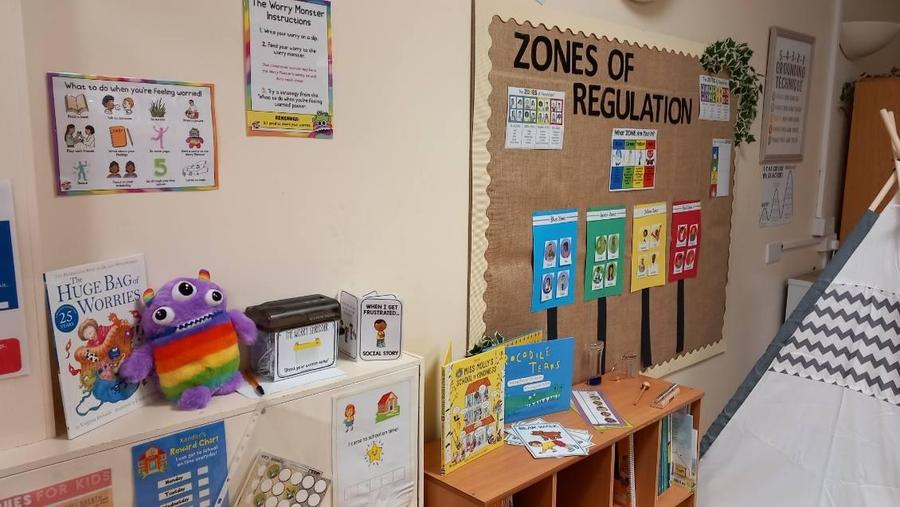
- Zones of Regulation
- Time to Talk
Learning Mentor/Family Support
Here at Oldmixon, we believe being a parent is one of the most challenging, rewarding and important roles that anyone can have. All the children with us deserve to be supported from their earliest years so they can develop the life skills they will need to grow into happy healthy young people.
What do we offer at Oldmixon?
Oldmixon Primary employs two Learning Mentors: Mrs Palfrey and Miss Daniels. As Learning Mentors, they work with children who require assistance in overcoming barriers to learning in order to achieve their full potential.
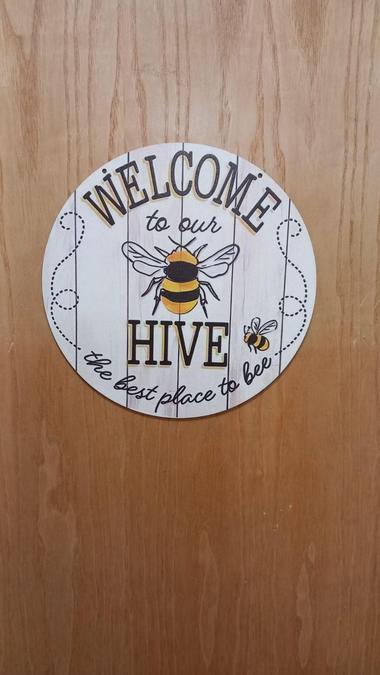
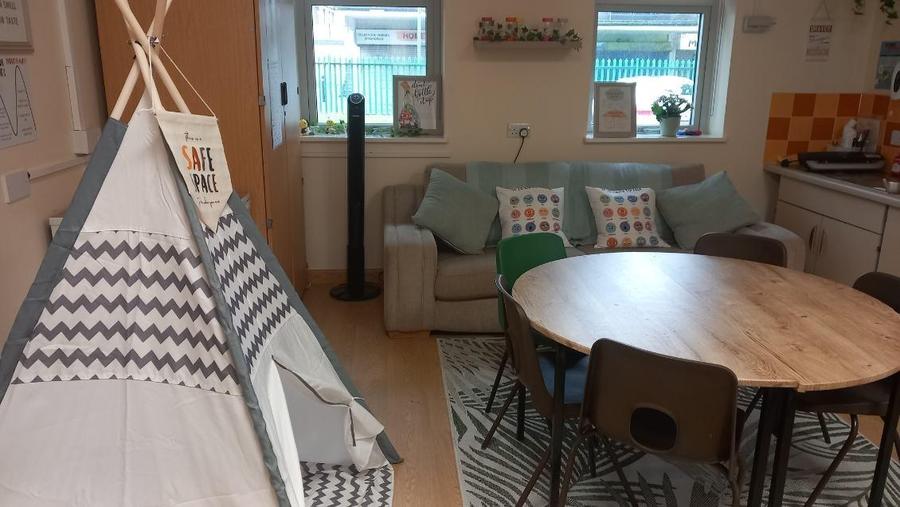
Pastoral group sessions and 1:1 sessions take place in the Learning Mentor room: 'The Hive'. The Learning Mentor Room is bright and colourful where the children can come and talk freely in an inviting space.
These barriers may include:
- Low attendance
- Personal Organisation
- Dealing with Bereavement
- General disaffection and disengagement from learning
- Low self-esteem
- Low aspirations
- Mental health issues
- Relationship difficulties
- Bullying
- Peer pressure
- Family issues or concerns
What do learning mentors actually do?
Learning mentors mainly work with pupils on a one-to-one or small group basis. They help to develop coping strategies, enhance motivation, raise aspirations and encourage re-engagement with learning.
They take account of a range of complex underlying issues that may impact negatively on learning and achievement. They also work closely with teachers, parents, family support workers and social workers.
The Decider Skills
The Decider skills are designed to give young people the skills to get between the impulse to act/react to a situation, and the action taken. This allows for more balanced thinking and healthier choices.
The children have been taught the twelve 'Decider Skills' to use at school and at home. More about decider skills
We are currently living through extremely challenging times, and now perhaps more than ever, looking after our mental health and well-being is of paramount importance to us all.
What do I do if I am worried about my child's mental health or wellbeing?
Go to your GP as a first port of call as they are a useful place to gain medical support and signposting of local services. Talk to your child’s class teacher about your child's needs or your concerns.
Lead staff members to contact if you are concerned about your child’s mental health:
Mrs Corinna Rundle-Crowe (DSL/Headteacher)
Mrs Lindsay Avci (DSL/SENDCO)
Mrs Palfrey (DSL/Learning Mentor)
Miss Chloe Daniels (DSL/Learning Mentor)
This is a link for you to access Young Minds. It is an organisation for children and has a helpline for parents. You can contact them via, webchat, email and phone
Kooth is an organisation set up for children. It delivers free online support for young people delivered by qualified counsellors via chat-based services. It is all monitored and very safe for children to access.
Your Mental Wellbeing While Staying at Home
Taking care of your mind as well as your body is really important while staying at home.
You may feel bored, frustrated or lonely. You may also be low, worried or anxious, or concerned about your finances, your health or those close to you.
It's important to remember that it is OK to feel this way and that everyone reacts differently. Remember, this situation is temporary and, for most of us, these difficult feelings will pass. Staying at home may be difficult, but you are helping to protect yourself and others by doing it.
The tips and advice here are things you can do now to help you keep on top of your mental wellbeing and cope with how you may feel while staying at home.
Make sure you get further support if you feel you need it.
Wellbeing Websites:
- There are a range of useful articles on psychologytoday.com
- Every Mind Matters provides simple tips and advice to start taking better care of your mental health. If you are still struggling after several weeks and it is affecting your daily life, please contact NHS 111 online. If you have no internet access, you should call NHS 111.
https://www.nhs.uk/oneyou/every-mind-matters/
- You can access free easy ten minute work outs from Public Health England or try other exercise videos at home on the NHS Fitness Studio. Sport England also has tips for keeping active at home.
https://www.nhs.uk/oneyou/for-your-body/move-more/home-workout-videos/
- The Every Mind Matters sleep page provides practical advice on how to improve your sleep.
https://www.nhs.uk/oneyou/every-mind-matters/sleep/
- Visit the NHS mental health and wellbeing advice website for self-assessment, audio guides and practical tools, if you are experiencing stress, feelings of anxiety or low mood.
https://www.nhs.uk/conditions/stress-anxiety-depression/
- If you already have a mental health problem, you can access comprehensive guidance provided by Mind
https://www.mind.org.uk/information-support/coronavirus-and-your-wellbeing/
Mindfulness For The Whole Family
Mindfulness activities
Make sure to have 2 brain breaks a day to keep your mind focused and reflect on how you are feeling. Below is a link to some mindfulness activities for you to complete. There is a whole section on mindful movement which gives you physical activities around balancing that you can do at home. Try some of these activities with your parents and carers. Take a photo or video and send it the school email address.
Message from Mind- up
We have created some free MindUP resources that can be accessed from any device and printed.
We have also created a MindUP for Families page where parents/carers can learn about MindUP, find activities for the whole family and mindful practices for themselves to do during this stressful period.
https://mindup.org.uk/mindup-activities/
THE BRAIN BREAK
PAUSE. LISTEN. BREATHE.
Listen to Uz, one of our MindUP Consultants, guide you through a Brain Break . The link below has an audio clip for you to use as an example. Teaching children to focus on and control their breathing can help them become less reactive and more reflective when feeling anxious or stressed. The more controlled breathing is practised, the more calm and mindful they can become.
Mindful eating
Avoid screens at the table.
- Sit down and eat together.
- Teach table manners.
- Talk about what they are eating and how their bellies feel.
- Avoid eating on the go or in the car.
Healthy Food Recipes
Make sure to drink lots of water and to make sure to eat healthy foods to promote a healthy mind.
We will be positing a new recipe for each week for you to try at home.
Make sure to take pictures and use the mindful eating techniques mentioned above- send to your class email addresses.
Try the link below for some exciting recipes you can make at home.
A Jigsaw gift…for families
Have a look at some of these resources to support PSHE lessons. There are downloadable stories and audio links to help with calming techniques to prepare for brain breaks.
Share the link:
https://families.jigsawpshe.com/stuck-at-home/
Password: Home
Jigsaw Family Stories and Calm Me time audios
Jigsaw are giving away Family stories and Calm Me time audio on the home page of www.jigsawpshe.com
Challenge Sport and Education
Their 'Be Mindful' page provides videos and challenges to help you and your family be mindful at home.
Username and password are the same and provided in the table below.
| Year group | Username/password |
| Reception | reception |
| Year 1 | year1 |
| Year 2 | year2 |
| Year 3 | year3 |
| Year 4 | year4 |
| Year 5 | year5 |
| Year 6 | year6 |
https://app.fitterfuture.com/student/wellbeing/home
Relaxation Activities for Children
NSPCC library service has put together a reading list of books you can use to support children who are experiencing stress and anxiety at this time.
What is mindfulness, and why is it important?
Mindfulness is about focusing on the present, and being aware of what is going on both inside and outside, in a non-judgmental way. It’s about noticing physical sensations and emotional responses, as well as your connection to other people and to your surroundings.
Below are some exercises you can try to promote positive mindfulness:
1. Describing emotions
Sit in a circle and describe different emotions. How does it feel when you are angry, happy or worried? Try and visualise your emotions as colours, or types of weather.
2. Texture bag.
Place several small, interestingly shaped or textured objects in a bag. Reach in and touch an object, one at a time, and describe what you are touching.Don’t take the object out of the bag, use only your sense of touch to explore the object.
3. Looking at clouds
Keep an eye on the weather for this activity, as ideally you need partial cloud cover and a good breeze. Lie down outside and look up at the clouds (taking care not to look directly at the sun). Look out for shapes and notice how the clouds change as they move along. Could you draw what you see?
4. Worry Stones
This is a 'focus object' that can allow you to release their worries and connect with your inner mindfulness of calm and peace. Have a collection of smooth stones to hand. If you become anxious, have them rub the stone, while focusing on the feel of the stone, and taking deep belly breaths. You could decorate them with colours that make you feel happy.
5.Mindful Posing
Try body poses. These are fun poses which can help you feel strong, brave, and happy.
Make sure to go somewhere quiet and familiar, a place you feel safe.
Next, try one of the following poses:
- The Superman: this pose is practiced by standing with the feet just wider than the hips, fists clenched, and arms reached out to the sky, stretching the body as tall as possible.
- The Wonder Woman: this pose is struck by standing tall with legs wider than hip-width apart and hands or fists placed on the hips.
How do you feel after a few rounds of trying either of these poses?
6.Safari- to complete with parents/carers.
The Safari exercise is a great way to help learn mindfulness. This activity turns an average, everyday walk into an exciting new adventure.
Tell your kids that you will be going on a safari: their goal is to notice as many birds, bugs, creepy-crawlies, and any other animals as they can. Anything that walks, crawls, swims, or flies is of interest, and they’ll need to focus all of their senses to find them.
Mindfulness for Children: Meditations for Kids
This is can be downloaded through the Android app store, iTunes, Google Music, or the Apple app store. Multiple versions are available. There are a few versions that must be purchased and one free version, which offers fewer conveniences than the paid versions. This app is centered around guided meditation. It is designed to help children relax before bed. Nature sounds and instructions start the sessions. The app can guide the user through a body scan, visualizations, and breathing exercises.
Smiling Minds App
This app is available through the Apple app store as well as the Google Play store. It is free to download and use. This app offers similar features to the Mindfulness for Children app, including a body scan activity. There are dozens of modules with hundreds of sessions available, each customized for well-being, education, and the workplace (for adults).
Relaxation Activities for Adults
Emotional resilience for parents and carers
Together for Families provides support for parents and carers as well as young people. The page is updated weekly to include relevant content to help you and your children. Read more information from Together for Families
Supporting your child
Below is a link from Young Minds who support mental health, this link gives some ideas to support you in supporting your family.
These are 5 ways to support your child at home:
Here are five things you can do to support your child:
- Talk to them about what’s going on. Find out how they’re feeling and what they’re thinking about, let them know it’s okay to feel scared or unsure, and try to answer their questions and reassure them in an age appropriate manner. Remember, you do not need to know all the answers, but talking things through can help them feel calmer.
- Help them to reflect on how they’re feeling and encourage them to think about the things they can do to make them feel safer and less worried.
- Reassure them that this will pass, you’re there for them, and you will get through this together.
- Spend time doing a positive activity with your child (such as reading, playing, painting or cooking) to help reassure them and reduce their anxiety. This is also a great way of providing a space for them to talk through their concerns, without having a ‘big chat’.
- Keep as many regular routines as possible, so that your child feels safe and that things are stable.

Relaxing the mind
- Take slow, deep breaths. Or try other breathing exercises for relaxation.
- Listen to soothing music.
- Practice mindful meditation. The goal of mindful meditation is to focus your attention on things that are happening right now in the present moment. For example, listen to your body. Is your breathing fast, slow, deep, or shallow? Do you hear noises, such as traffic, or do you hear only silence? The idea is just to note what is happening without trying to change it.
- Write. Some people feel more relaxed after they write about their feelings. One way is to keep a journal.
- Use guided imagery. With guided imagery, you imagine yourself in a certain setting that helps you feel calm and relaxed. You can use audiotapes, scripts, or a teacher to guide you through the process.
Relaxing the body
- Try progressive muscle relaxation. This process involves tensing and relaxing each muscle group. Progressive muscle relaxation can reduce anxiety and muscle tension. If you have trouble falling asleep, this method may also help with your sleep problems. When you relax your muscles, your body gets the signal that it is okay to fall asleep.
- Take a walk or do some other activity. Making time to do things you enjoy can also help you relax.
Body scan
A typical Body Scan runs through each part of the body, paying special attention to the way each area feels. The scan usually moves systematically through the body, e.g. starting at the feet and moving upwards as follows:
After the Body Scan is complete and the participants feel ready to come back to the room, they can slowly open their eyes and move naturally to a comfortable sitting position.
Five Senses Exercise
This exercise is called “five senses,” and provides guidelines on practicing mindfulness quickly in nearly any situation. All that is needed is to notice something you are experiencing with each of the five senses:
- Notice five things that you can see.
Look around you and bring your attention to five things that you can see. Pick something that you don’t normally notice, like a shadow or a small crack in the concrete.
- Notice four things that you can feel.
Bring awareness to four things that you are currently the feeling of the breeze on your skin, or the smooth surface of a table you are resting your hands on.
- Notice three things you can hear.
Take a moment to listen, and note three things that you hear in the background. This can be the chirp of a bird, the hum of the freezer, or the faint sounds of traffic from a nearby road.
- Notice two things you can smell.
Bring your awareness to smells that you usually filter out, whether they’re pleasant or unpleasant. Perhaps the breeze is carrying a whiff of pine trees if you’re outside, or the smell of a fast food restaurant across the street.
- Notice one thing you can taste.
Focus on one thing that you can taste right now, at this moment. You can take a sip of a drink,eat something, notice the current taste in your mouth, or even open your mouth to search the air for a taste.
Yoga
Yoga is a brilliant way to exercise but also to relax. Not only is yoga a great way to maintain flexibility, you will also start to feel stronger in your arms and legs. All of the different poses allow your brain to stay alert and help mobilise your body.
#Makeyourmove - BBC
Yoga that can be done ANYWHERE!
Cosmic Kids Yoga
"Making yoga and mindfulness fun since 2012!"
Cosmic kids yoga provide a range of exciting and different yoga videos for the whole family to complete at home. Their videos are on youtube and also on their website.
https://www.cosmickids.com/category/watch/
https://www.youtube.com/user/CosmicKidsYoga
Some poses to try at home!